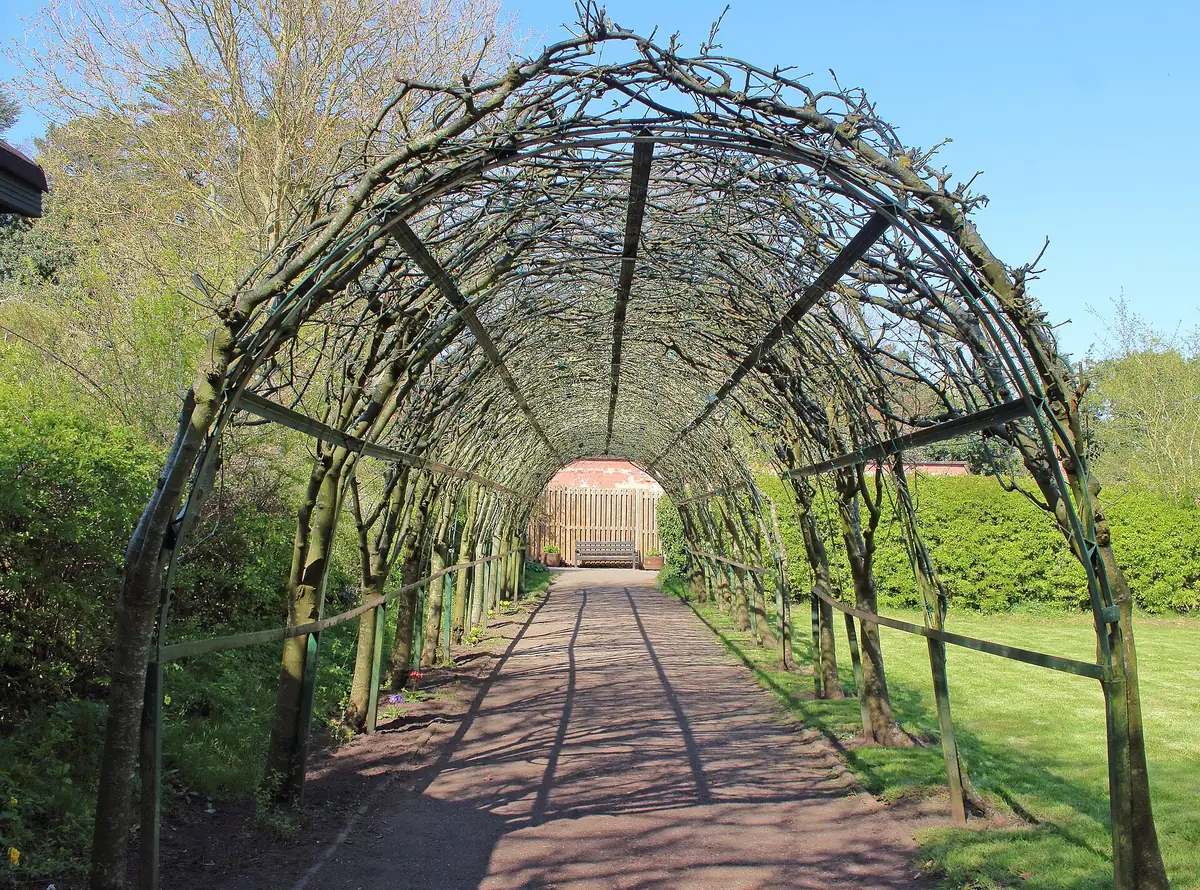

Most of us picture Eden as a kind of park: open lawns, fruit trees, maybe a waterfall. The Hebrew text gives us something more specific and far richer. Genesis says that “the LORD God planted a garden in Eden, in the east” (Genesis 2:8, ESV). Notice the grammar. The garden is in Eden. Eden is the larger region, and the garden is a particular place inside it. Two words carry the scene.
That root matters. In the ancient Near East a royal garden was a walled enclosure: watered, planted, ordered, and kept by the king’s servants. When the Greek translators of the Old Testament (the Septuagint) came to Genesis 2, they rendered gan with παράδεισος (paradeisos). It is a loanword from Old Persian for a walled park, and it gives us our English word paradise. Eden’s garden was the King’s enclosure.
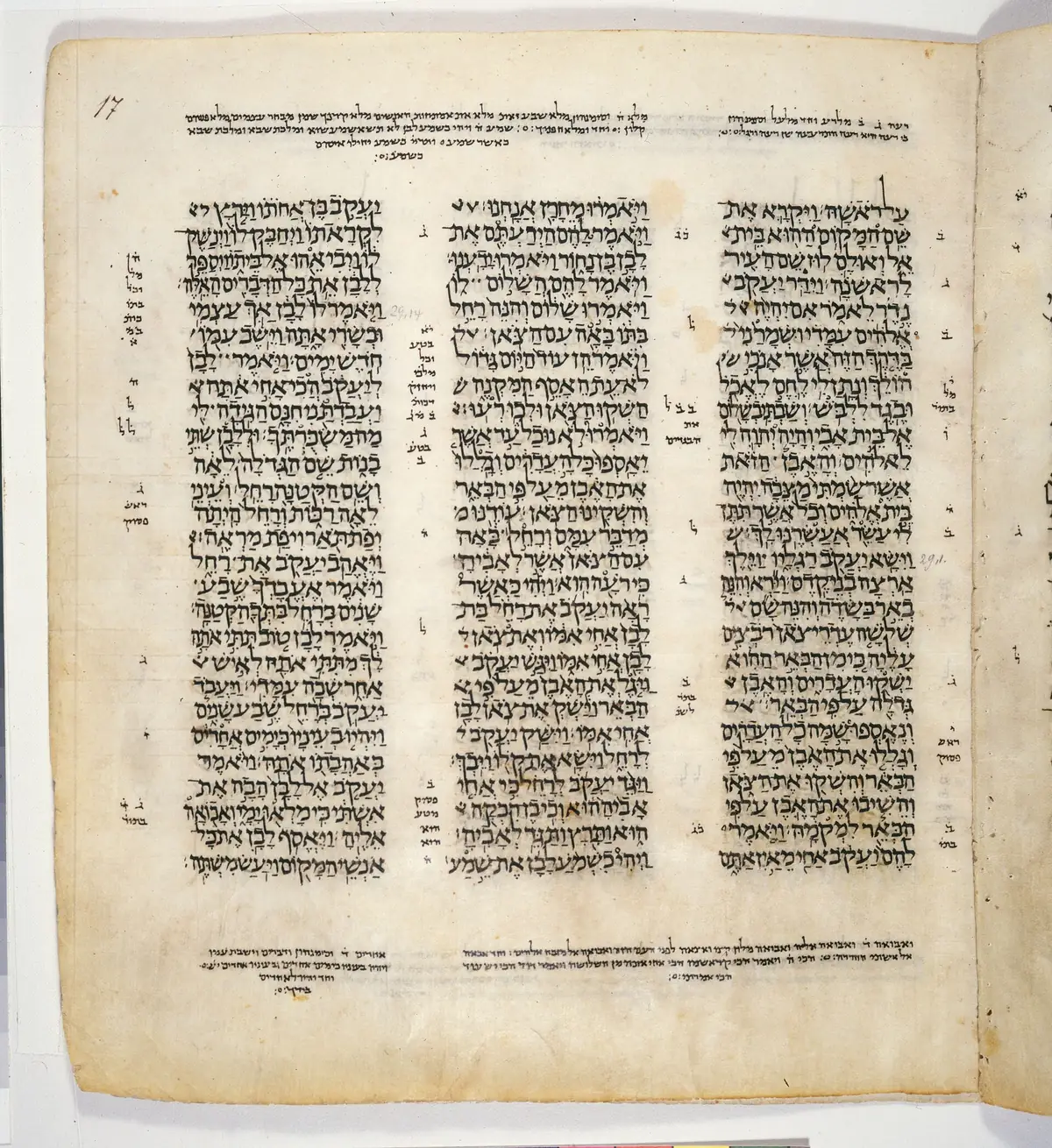

So the opening picture is a protected place of delight. That is already temple language. But the author of Genesis does not leave us to guess. He packs the story with details that later Israelite readers would recognize at once.
A garden built like a sanctuary
Start with the river. “A river flowed out of Eden to water the garden, and there it divided and became four rivers” (Genesis 2:10, ESV). Water flows down from Eden, through the garden, and out to the world. That suggests Eden stood on high ground, a mountain of God. Ezekiel later calls it exactly that: “the holy mountain of God” (Ezekiel 28:14). The prophets also picture a river flowing from the temple to bring life wherever it goes (Ezekiel 47:1–12; Joel 3:18).
Next come the materials. Genesis pauses, oddly, to tell us that the land of Havilah has good gold, bdellium, and onyx stone (2:11–12). Why mention minerals in a garden story? Because gold covers the tabernacle’s furniture, and onyx stones sit on the high priest’s shoulders, engraved with the names of Israel’s tribes (Exodus 28:9–12).
Then there is the entrance. After the exile, God stations cherubim “at the east of the garden of Eden” to guard the way to the tree of life (3:24). The tabernacle and temple also face east. Cherubim were woven into their curtains and veil (Exodus 26:1, 31) and carved on Solomon’s walls among palm trees and open flowers (1 Kings 6:29). Every Israelite priest who walked toward the Most Holy Place was walking back toward Eden. Even the lampstand was shaped like a flowering almond tree (Exodus 25:31–36), a golden tree of life burning in the holy place.
Adam the priest-king
The clearest clue is Adam’s job description. God put the man in the garden “to work it and keep it” (Genesis 2:15, ESV). The two Hebrew verbs are ʿābad (“serve, work”) and šāmar (“guard, keep”). Elsewhere in the Torah these two verbs appear together for one group of people: the Levites, who keep the charge of the tabernacle and serve in its work (Numbers 3:7–8; 18:5–6).
Adam, then, is more than a farmer. He is the first priest, guarding the holy place and serving in God’s presence. He is also a king, made in God’s image to rule and to spread the garden’s order and beauty to the ends of the earth (Genesis 1:26–28). This is the royal-priestly calling that Israel later receives at Sinai, “a kingdom of priests and a holy nation” (Exodus 19:6, ESV).
Gordon Wenham drew these threads together in a well-known essay on sanctuary symbolism in Eden, and G. K. Beale has traced them across the whole canon. Their conclusion is hard to avoid. Eden was the first place where heaven and earth overlapped, where God dwelt with his image-bearers. The tabernacle and temple were later, smaller copies of the garden, built in a world east of Eden.
Toward the garden-city
That is why the Bible’s story bends back toward a garden. Jesus, the faithful Son and true temple (John 2:19–21), promises a dying thief, “today you will be with me in paradise” (Luke 23:43, ESV). He uses the same word, paradeisos. In Revelation the whole new Jerusalem is shaped like a Most Holy Place. A river flows from the throne, and the tree of life stands on its banks, bearing fruit every month (Revelation 21:16; 22:1–2). The cherubim no longer bar the way.
Here is the good news in two small words. The God who planted a gan in ʿeden has not abandoned his garden. In Christ he is re-planting it. By his Spirit he is making a people who are themselves his temple, until the whole earth is filled with his presence. Every time you open the Scriptures, you are walking east, back toward the tree of life.